
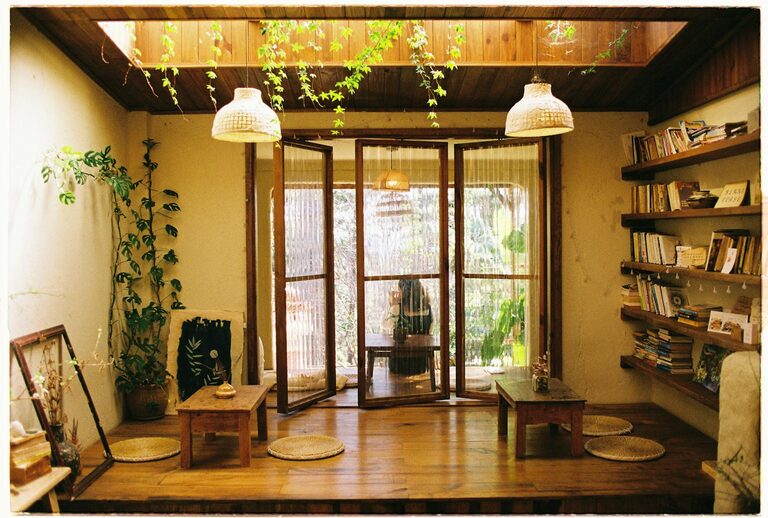
Tips for Choosing Comfortable Home Lighting That Enhances Every Room
Creating a comfortable home environment isn’t just about furniture and colors; lighting plays a vital role in setting the mood and functionality of your spaces. Choosing the right lighting can transform any room from dull to inviting, making your home feel warm and welcoming. In this post, we’ll explore practical tips for selecting comfortable home lighting that suits your style and daily activities.
Understanding the Importance of Comfortable Lighting
Lighting affects both the aesthetics and comfort of your home. Harsh or overly dim lighting can strain your eyes and create an unpleasant atmosphere. On the other hand, well-chosen lighting enhances the room’s features and supports your lifestyle, whether you’re relaxing, working, or entertaining guests.
What Makes Lighting Comfortable?
Comfortable lighting is typically soft, evenly distributed, and adjustable. It avoids glare and sharp contrasts, creating a balance that’s pleasing to the eyes. Achieving this involves considering the type, placement, and brightness of your lighting sources.
Types of Home Lighting to Consider
Understanding the three main categories of lighting helps you design a layered system:
1. Ambient Lighting
This is the general illumination that fills the room. It provides overall brightness and sets the base tone for your space.
– Examples: Ceiling-mounted fixtures, chandeliers, recessed lighting
– Tip: Choose a dimmable ambient light to adjust brightness throughout the day.
2. Task Lighting
Task lights focus on specific areas where activities like reading, cooking, or working occur.
– Examples: Desk lamps, under-cabinet kitchen lights, bedside lamps
– Tip: Position task lighting to reduce shadows and eye strain.
3. Accent Lighting
Used to highlight artwork, plants, or architectural features, accent lighting adds depth and interest.
– Examples: Spotlights, wall sconces, LED strips
– Tip: Use accent lighting sparingly to create focal points.
Key Factors When Choosing Comfortable Home Lighting
Consider the Color Temperature
Lighting color temperature is measured in Kelvins (K) and significantly impacts how cozy or energetic a space feels.
– Warm Light (2700K–3000K): Creates a relaxing, inviting atmosphere ideal for living rooms and bedrooms.
– Neutral Light (3500K–4100K): Offers a balance, suited for kitchens, bathrooms, and workspaces.
– Cool Light (5000K+): Bright and stimulating, better for task-heavy or utility areas.
For most comfortable home environments, warm or neutral tones are preferred.
Opt for Adjustable Brightness
Dimmer switches or smart bulbs let you easily control light intensity, adapting to different times of day and activities. This flexibility reduces eye fatigue and allows you to create the perfect ambiance.
Avoid Harsh Glare and Shadows
Glare is uncomfortable and can cause headaches or eye strain. Use lampshades, frosted bulbs, or indirect lighting to soften the light. Also, position lights carefully to minimize harsh shadows that can make spaces feel smaller or uneven.
Tips for Specific Rooms
Living Room
– Use layered lighting by combining ambient ceiling fixtures with floor lamps and accent lights.
– Select warm light to enhance relaxation and socializing.
– Incorporate dimmers to adjust brightness from lively gatherings to quiet evenings.
Bedroom
– Soft, warm lighting promotes restfulness.
– Use bedside lamps for reading and control with bedside switches.
– Consider blackout curtains in combination with lighting to support sleep hygiene.
Kitchen
– Bright, neutral lighting is essential for cooking and cleaning.
– Under-cabinet LED strips provide focused task lighting for countertops.
– Use ceiling lights with wide coverage but avoid glare on shiny surfaces.
Bathroom
– Even, cool to neutral lighting is best for grooming tasks.
– Place lights around mirrors to avoid shadows on your face.
– Use moisture-resistant fixtures designed for bathrooms.
Choosing the Right Bulbs
When selecting bulbs, keep in mind:
– Energy Efficiency: LED bulbs use less energy and last longer than incandescent or halogen bulbs.
– Lumens, Not Watts: Lumens measure brightness. For comfortable lighting, look for bulbs emitting between 800–1600 lumens depending on room size.
– CRI (Color Rendering Index): Choose bulbs with a CRI of 80 or above to reveal natural colors under the light.
Making Your Lighting Eco-Friendly and Cost-Effective
– Use timers or motion sensors in rarely used rooms to save energy.
– Consider solar-powered accent lights for outdoor spaces.
– Replace old fixtures with modern LED-compatible options.
Final Thoughts
Selecting comfortable home lighting is about finding the right balance of brightness, warmth, and positioning. By understanding the types of lighting and tailoring them to your space and activities, you can create a home environment that feels welcoming and supports your daily routines. Remember, lighting isn’t just about visibility—it shapes how we experience every room.
Experiment with different setups, and don’t hesitate to mix and match lighting styles to find what feels best for you. After all, a well-lit home is a happy home!
