
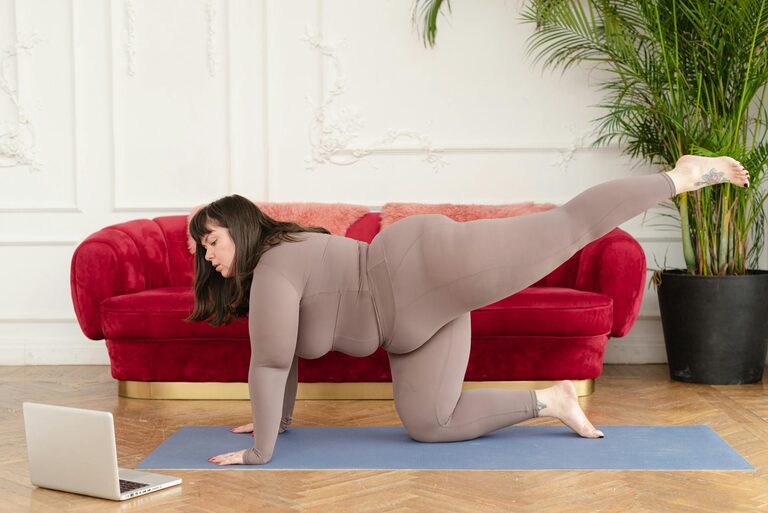
A Beginner’s Guide to Stretching at Home for Better Flexibility
Stretching is a simple yet powerful way to enhance your physical health, increase flexibility, and reduce muscle tension. Whether you’re new to exercising or looking for an easy addition to your daily routine, stretching at home offers numerous benefits without the need for special equipment or a gym membership. In this guide, we’ll walk you through the basics of stretching, share beginner-friendly stretches, and provide tips to make stretching a consistent part of your life.
Why Stretching Matters
Before diving into specific stretches, it’s helpful to understand why stretching is important:
– Improves Flexibility: Regular stretching lengthens muscles and increases your range of motion.
– Reduces Muscle Tension: Stretching can relieve tightness and prevent cramps.
– Enhances Circulation: Movement during stretching increases blood flow to muscles.
– Prevents Injury: Better flexibility lowers the risk of strains and sprains.
– Promotes Relaxation: Stretching can be a calming activity that reduces stress.
Even just 10-15 minutes a day can make a noticeable difference in how your body feels.
When and How to Stretch
Best Time to Stretch
You can stretch at many times during the day:
– After waking up: Helps loosen up your body.
– Before exercise: A light warm-up stretch prepares your muscles.
– After exercise: Helps reduce soreness.
– During work breaks: Relieves tension from sitting or repetitive movements.
– Before bed: Promotes relaxation for better sleep.
Key Tips for Stretching Safely
– Warm Up First: Stretch after a light activity like walking or jogging in place to avoid injury.
– Go Slow: Move into the stretch gently and hold steady.
– Hold the Stretch: Aim to hold each stretch for at least 15-30 seconds.
– Breathe Deeply: Breathe evenly and deeply to improve oxygen flow.
– Avoid Pain: Stretching should cause mild tension, not pain.
– Stretch Both Sides: Always stretch both the left and right sides evenly.
Basic Stretching Routine for Beginners
Here is a simple full-body stretching routine you can do at home. No equipment needed.
1. Neck Stretch
– Sit or stand tall.
– Slowly tilt your head to the right, bringing your ear toward your shoulder.
– Hold for 20 seconds, feeling a stretch along the side of your neck.
– Repeat on the left side.
2. Shoulder Rolls
– Sit or stand with your arms relaxed.
– Roll your shoulders forward in a circular motion 10 times.
– Repeat rolling backward 10 times.
3. Arm and Tricep Stretch
– Raise your right arm overhead.
– Bend your elbow, reaching your right hand down toward your upper back.
– Use your left hand to gently press on your elbow.
– Hold for 20-30 seconds, then switch arms.
4. Chest Stretch
– Stand in a doorway.
– Place your hands on each side of the doorway at shoulder height.
– Step forward slowly to feel a stretch across your chest.
– Hold for 20-30 seconds.
5. Side Stretch
– Stand with your feet shoulder-width apart.
– Reach your right arm overhead and lean to your left side.
– Keep your body aligned.
– Hold for 20 seconds, then switch sides.
6. Hamstring Stretch
– Sit on the floor with your legs extended straight.
– Slowly reach forward toward your toes while keeping your back straight.
– Hold the stretch without bouncing for 20-30 seconds.
7. Quadriceps Stretch
– Stand on your left leg.
– Bend your right knee and bring your heel toward your buttocks.
– Hold your right ankle with your right hand.
– Keep your knees close together for balance.
– Hold for 20-30 seconds, then switch legs.
8. Calf Stretch
– Stand facing a wall.
– Place your hands on the wall at shoulder height.
– Step your right foot back, keeping it flat on the floor.
– Bend your left knee slightly, leaning into the wall.
– Hold for 20-30 seconds, then switch sides.
Making Stretching a Habit
Consistency is key for seeing benefits from stretching. Here are some ideas to help:
– Set a time: Stretch first thing in the morning or before bed.
– Keep it simple: Start with 5-10 minutes, building up gradually.
– Use reminders: Set a phone alarm or sticky notes.
– Pair it: Stretch while watching TV or listening to music.
– Track progress: Notice improved flexibility to stay motivated.
When to Seek Advice
If you have injuries, chronic pain, or specific health conditions, consult a healthcare professional or physical therapist before starting a stretching routine. They can recommend modifications suited to your needs.
Final Thoughts
Stretching at home is accessible and beneficial for everyone, especially beginners looking to increase mobility and reduce muscle stiffness. By taking a few minutes each day to stretch thoughtfully and safely, you’ll enjoy better posture, less discomfort, and a greater sense of relaxation.
Start slow, listen to your body, and make stretching a regular part of your healthy lifestyle!
